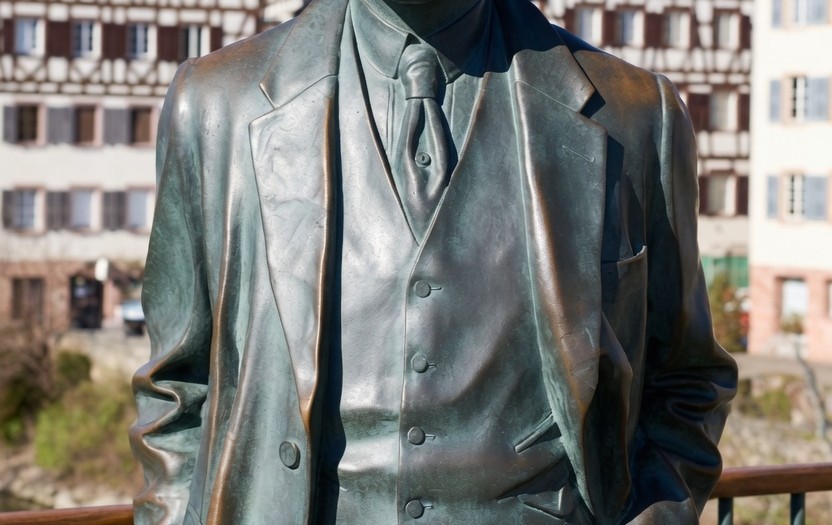
Hermann Hesse Museum
Calw, Hermann Hesse’s birthplace, is closely linked to his life and work. The Hermann Hesse Museum is dedicated to the Nobel Prize-winning author and features an extensive collection that traces his life story, literary works, and artistic creations. Original manuscripts, paintings, and personal documents offer fascinating insights into the life of one of the most significant German-language authors. Unfortunately, the museum is currently closed due to renovation and restoration work and is expected to remain closed until 2027.
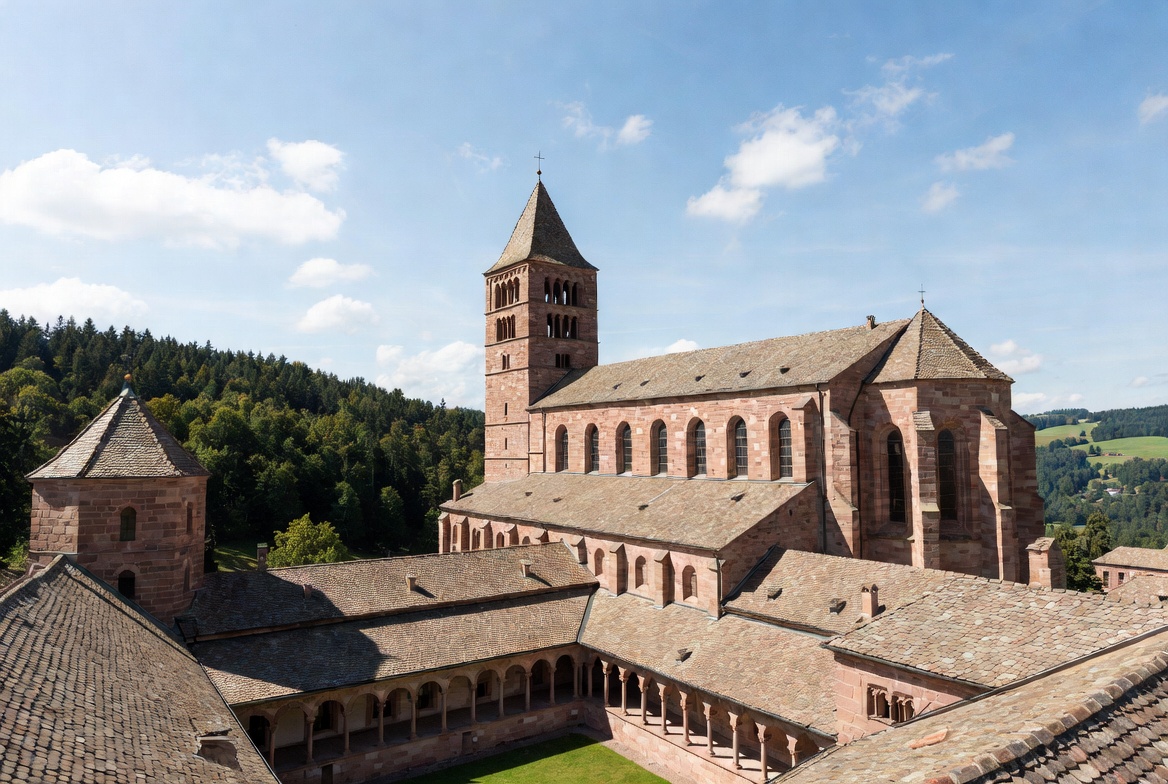
Alpirsbach Abbey
The historic Alpirsbach Monastery complex is one of the 11th-century reform monasteries of southwestern Germany and stands as an impressive example of Cluniac reform architecture. The well-preserved complex, with its Romanesque monastery church, cloister, and cloistered quarters, offers a vivid glimpse into monastic life in the Middle Ages. You can learn more about the history and daily life of the monks in the exhibition “Monks and Scholars.”
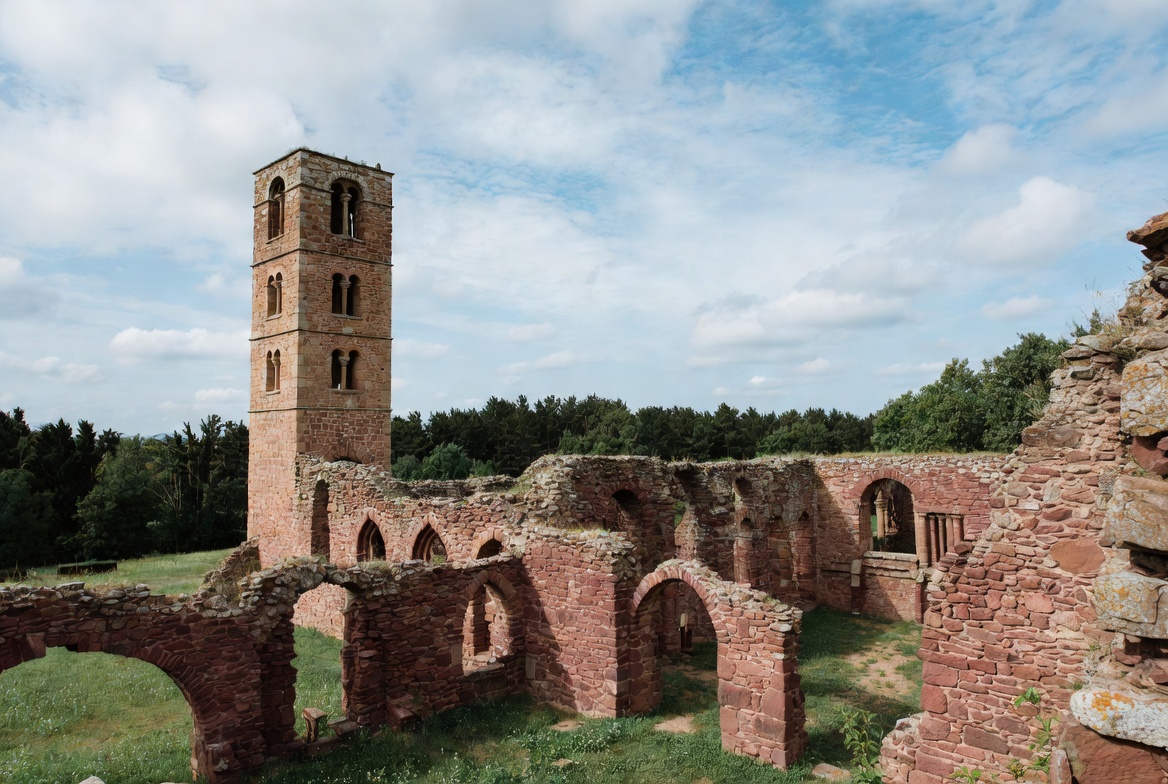
History of Hirsau Abbey
The history of Hirsau Abbey dates back to the 9th century. Even today, the sprawling ruins remain impressive, featuring the towering Owl Tower, the three-nave Basilica of St. Peter and Paul, the Gothic Chapel of Our Lady, and the Renaissance hunting lodge. You can learn more about the eventful history of the once-important Benedictine monastery at the Hirsau Monastery Museum. There, numerous artifacts, models, and informational panels provide fascinating insights into over 1,100 years of monastic culture, the lives of the monks, and the development of Hirsau up to modern times.
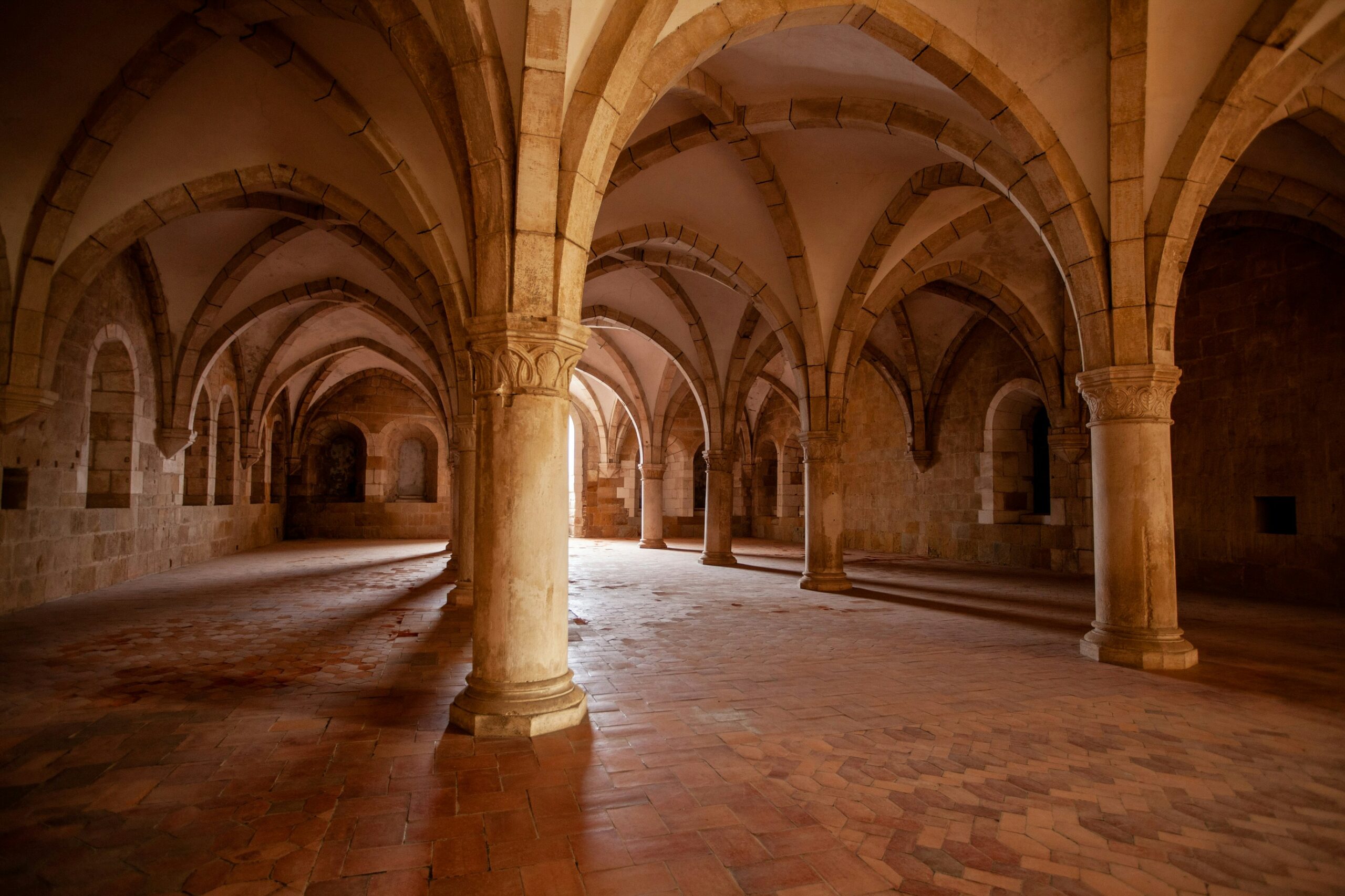
Maulbronn Monastery
Maulbronn Monastery is situated in the secluded Salzach Valley and is an approximately 850-year-old monastic complex set in a unique cultural landscape featuring reservoirs, vineyards, and historic farmlands. This impressive complex is a UNESCO World Heritage Site and is considered the most completely preserved medieval monastic complex north of the Alps. From the cellars to the spire of the church tower, the buildings radiate a remarkable sense of unity and convey a vivid impression of monastic life in centuries past.
Hermann Hesse Museum
Calw, Hermann Hesse’s birthplace, is closely linked to his life and work. The Hermann Hesse Museum is dedicated to the Nobel Prize-winning author and features an extensive collection that traces his life story, literary works, and artistic creations. Original manuscripts, paintings, and personal documents offer fascinating insights into the life of one of the most significant German-language authors. Unfortunately, the museum is currently closed due to renovation and restoration work and is expected to remain closed until 2027.
Alpirsbach Abbey
The historic Alpirsbach Monastery complex is one of the 11th-century reform monasteries of southwestern Germany and stands as an impressive example of Cluniac reform architecture. The well-preserved complex, with its Romanesque monastery church, cloister, and cloistered quarters, offers a vivid glimpse into monastic life in the Middle Ages. You can learn more about the history and daily life of the monks in the exhibition “Monks and Scholars.”
History of Hirsau Abbey
The history of Hirsau Abbey dates back to the 9th century. Even today, the sprawling ruins remain impressive, featuring the towering Owl Tower, the three-nave Basilica of St. Peter and Paul, the Gothic Chapel of Our Lady, and the Renaissance hunting lodge. You can learn more about the eventful history of the once-important Benedictine monastery at the Hirsau Monastery Museum. There, numerous artifacts, models, and informational panels provide fascinating insights into over 1,100 years of monastic culture, the lives of the monks, and the development of Hirsau up to modern times.
Maulbronn Monastery
Maulbronn Monastery is situated in the secluded Salzach Valley and is an approximately 850-year-old monastic complex set in a unique cultural landscape featuring reservoirs, vineyards, and historic farmlands. This impressive complex is a UNESCO World Heritage Site and is considered the most completely preserved medieval monastic complex north of the Alps. From the cellars to the spire of the church tower, the buildings radiate a remarkable sense of unity and convey a vivid impression of monastic life in centuries past.
Hermann Hesse Museum
Calw, Hermann Hesse’s birthplace, is closely linked to his life and work. The Hermann Hesse Museum is dedicated to the Nobel Prize-winning author and features an extensive collection that traces his life story, literary works, and artistic creations. Original manuscripts, paintings, and personal documents offer fascinating insights into the life of one of the most significant German-language authors. Unfortunately, the museum is currently closed due to renovation and restoration work and is expected to remain closed until 2027.
Alpirsbach Abbey
The historic Alpirsbach Monastery complex is one of the 11th-century reform monasteries of southwestern Germany and stands as an impressive example of Cluniac reform architecture. The well-preserved complex, with its Romanesque monastery church, cloister, and cloistered quarters, offers a vivid glimpse into monastic life in the Middle Ages. You can learn more about the history and daily life of the monks in the exhibition “Monks and Scholars.”
History of Hirsau Abbey
The history of Hirsau Abbey dates back to the 9th century. Even today, the sprawling ruins remain impressive, featuring the towering Owl Tower, the three-nave Basilica of St. Peter and Paul, the Gothic Chapel of Our Lady, and the Renaissance hunting lodge. You can learn more about the eventful history of the once-important Benedictine monastery at the Hirsau Monastery Museum. There, numerous artifacts, models, and informational panels provide fascinating insights into over 1,100 years of monastic culture, the lives of the monks, and the development of Hirsau up to modern times.
Maulbronn Monastery
Maulbronn Monastery is situated in the secluded Salzach Valley and is an approximately 850-year-old monastic complex set in a unique cultural landscape featuring reservoirs, vineyards, and historic farmlands. This impressive complex is a UNESCO World Heritage Site and is considered the most completely preserved medieval monastic complex north of the Alps. From the cellars to the spire of the church tower, the buildings radiate a remarkable sense of unity and convey a vivid impression of monastic life in centuries past.